

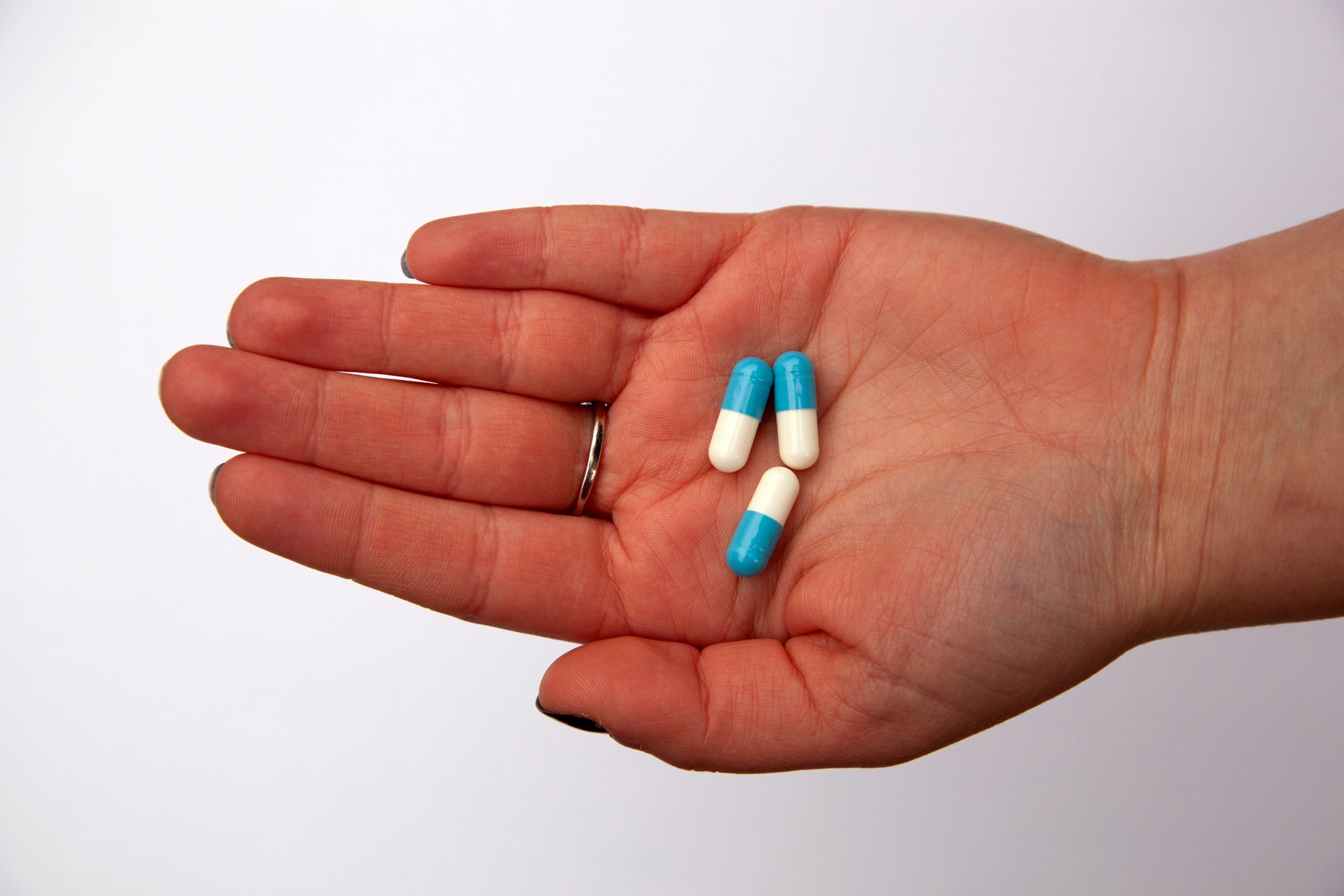
In this guide, we’re focusing on antibiotics, which many of us are prescribed at some stage in our lives. Since many antibiotics can turn toxic after their use-by date, it’s important to know what to do with them when it comes to clinical disposal.
Expired antibiotics and medication can pose risks in many ways: they’re unsafe to take, they can harm the environment when they end up in landfills, and they can hurt wildlife, too.
Read on to learn more about what to do with your expired antibiotics and the safest way to ensure that they are disposed of responsibly.
What Are Antibiotics?
Antibiotics are a type of medication that are primarily used to treat different types of bacterial infections. They work by directly killing bacteria in the body and stop the bacteria from multiplying.
There are many antibiotics out there, each for all types of infections. From kidney infections to chest infections, antibiotics are a really useful medication that we rely on.
However, some antibiotics become toxic after their expiry date. Finding out which antibiotics are at risk of turning toxic and how to dispose of them safely is key.
Antibiotics That Turn Toxic After Expiration
Below, we’ve created a list of antibiotic medications that become risky after expiration:
Penicillin is an antibotic that is used to treat infections related to ears, the throat, chest, and skin. It has a life shelf of 1-3 years. After expiry, it can lead to possible toxicity.
Tetracycline is a wide-spectrum antibotic medication used for various bacterial infections such as respiratory infections, skin problems, and urinary infections. It has a shelf life of 2-3 years but can break down into toxic compounds after expiry.
Ciprofloxacin is another wide-spectrum antibiotic that is prescribed for urinary infections, bone infections, and joint problems. Typically, it has a shelf life of 2-3 years, but after expiration can pose dangerous side effects and is overall not effective.
Doxycycline is a wide-spectrum tetracycline antibiotic administered for a range of bacterial infections and malaria preventions. It has a shelf life of 3-4 years and can become toxic after expiration.
Amoxicillin is a penicillin-based antibiotic that treats chest infections, dental abscesses and urinary tract infections. It has a shelf life of 1-2 years and after expiration can cause harmful effects.
Expired antibiotics may not seem like they pose a risk, but truthfully, they pose many and not just to human health. First of all, using expired medications of any type will have adverse effects, and isn’t an effective treatment option.
If you have them in your home, do not take them. You should always visit a GP for a new prescription where possible.
Taking expired antibiotics can also result in bacteria resistance, meaning that the next time you may need the medication, its effectiveness will be reduced.
How to Store Antibiotics
To keep your antibiotics from risk of contamination and to ensure longevity, here are some storage guidelines:
- Store antibiotics in a cool, dark place, away from sunlight and moisture.
- Avoid bathroom cabinets, as heat and humidity can degrade medications.
- Check original packaging for storage instructions, as formulation may influence storage needs.
- Keep medications out of reach of children to prevent accidents or misuse.
Safe Antibiotics Disposal Options in the UK
Now that we’ve covered some of the most common antibiotics, it’s time to discuss the safe disposal of these medications after they expire.
In the UK, if your antibiotics expire, here is what you should do to dispose of them responsibly and correctly.
- Return unused or expired antibiotics to a pharmacy in your local area via a take-back programme
- Follow local regulations for medication disposal, you can contact your local chemist for this information.
- Do not flush antibiotics down the toilet or throw them in a bin.
Take-back programmes are in place throughout the UK for expired medications, sharps, and other medical waste. The NHS provides further information about returning expired medications to your local pharmacy here.
The Impact of Medication Waste on The Environment
When antibiotics are thrown in the household bin and end up in landfills, they do not break down safely.
Rainwater can wash traces of these medicines into the soil and then into groundwater, allowing the chemicals to reach streams, lakes, and even drinking water.
Once in the environment, antibiotic residue can disrupt natural bacteria and encourage them to become resistant. This adds to the growing problem of superbugs and affects whole ecosystems, not just individual patients.
Wildlife that comes into contact with contaminated landfill sites can also be harmed or carry resistant bacteria elsewhere.
Putting expired antibiotics in the bin may seem harmless, but it creates long term risks for the environment, animals, and public health. This is why returning them to a pharmacy is the safest and most responsible way to dispose of them.
Dispose of Your Medical Waste Safely with Waste Direct
If you want to make sure your expired antibiotics and other medical waste are handled properly, Waste Direct can help.
Our reliable disposal services keep harmful medications out of landfills and protect the environment, your community, and your home.
Get in touch with Waste Direct today to arrange safe, simple, and responsible medical waste disposal.


